


NNPC increases petrol price
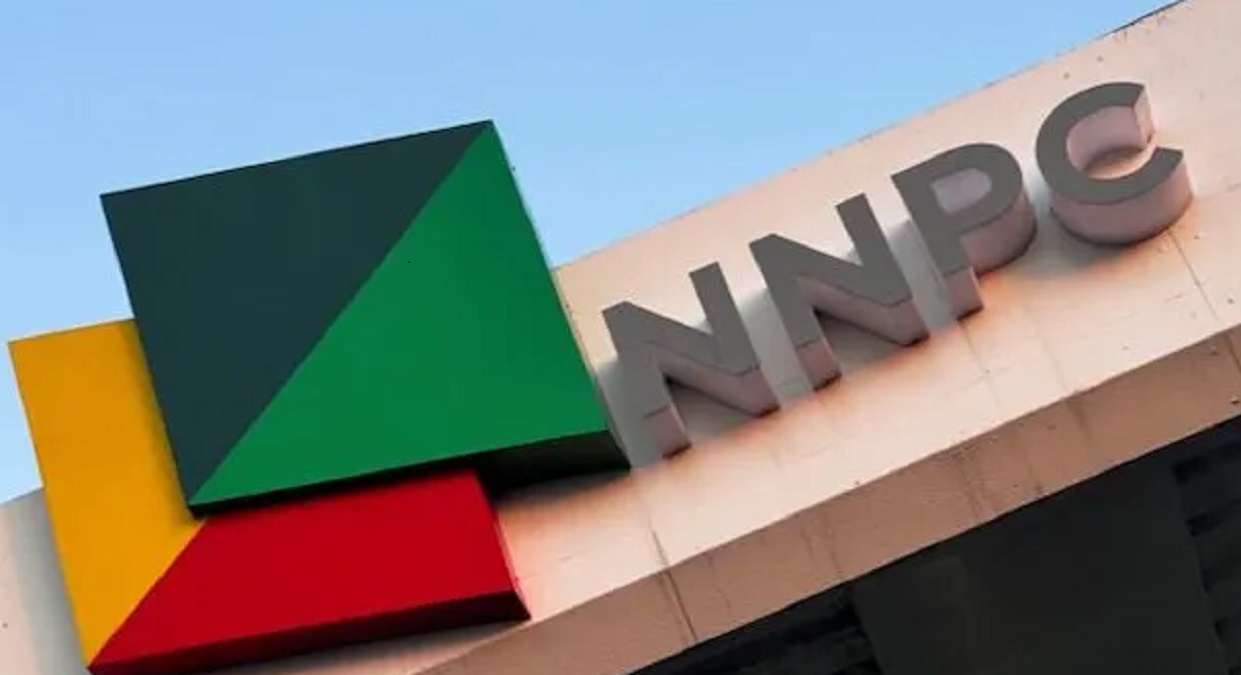
The Nigerian National Petroleum Company Limited (NNPC) has increased the pump price of petrol to ₦1,405 per litre, despite ongoing controversy over the Federal Government’s proposed fuel discount.
The new price represents an increase of ₦35 per litre from the previous rate of ₦1,370.



Reports indicated that the revised price had taken effect at NNPC filling stations across the country.
Some attendants at the outlets disclosed that the company informed them of the adjustment before implementing the new rate the following day.
However, the national oil company has yet to provide an official explanation for the latest price increase.
The development comes amid public discussions over a proposed reduction in petrol prices announced by the Minister of Finance, Taiwo Oyedele.
Oyedele had disclosed on Thursday that the government was proposing a fixed petrol gantry price of ₦1,375 per litre ahead of the January 16, 2027 presidential election.
The proposed price has generated questions about the relationship between the government’s plan and the latest adjustment by NNPC.
With petrol now selling for ₦1,405 per litre at its filling stations, the company’s retail price is ₦30 higher than the proposed gantry price.
However, the two prices apply at different stages of the fuel distribution process. While the gantry price refers to the rate at which petrol is supplied from a depot or loading facility, the pump price is what consumers pay at filling stations.
The difference between the two rates means the proposed gantry price does not necessarily translate into the same amount at retail outlets, as additional distribution and operating costs may affect the final price motorists pay.
The proposed discount has also raised questions about whether the government’s plan amounts to a return to fuel subsidy, an arrangement that was removed under President Bola Tinubu’s administration.
Oyedele has faced questions over the nature of the proposed reduction and how it would operate within Nigeria’s current fuel pricing system.
The government has maintained that the proposed discount should not be interpreted as a return to the former fuel subsidy system.