


Former presidential candidate Peter Obi has explained his decision to leave the African Democratic Congress (ADC), citing internal crises and a worsening political climate.
Recall Dockaysworld reported that Obi was set to dump the party after communications from his camp went out, signaling discontent.
In a statement released on Sunday, Obi said he felt compelled to speak after a period of reflection, noting that “many people do not truly understand the silent pains some of us carry daily, the private struggles, emotional burdens, and quiet battles we face.”
He described Nigeria’s political environment as increasingly hostile, saying it has become “toxic,” with intimidation, insecurity, and constant scrutiny now a norm.
Obi added that even within political alliances, individuals who appear supportive publicly may distance themselves privately or engage in criticism, deepening the pressure on those trying to serve.
The former Anambra State governor stressed that his decision to leave the ADC was not due to personal grievances with party leaders, stating, “my decision to leave the ADC is not because our highly respected Chairman… or any other respected leaders did anything personally wrong to me.”
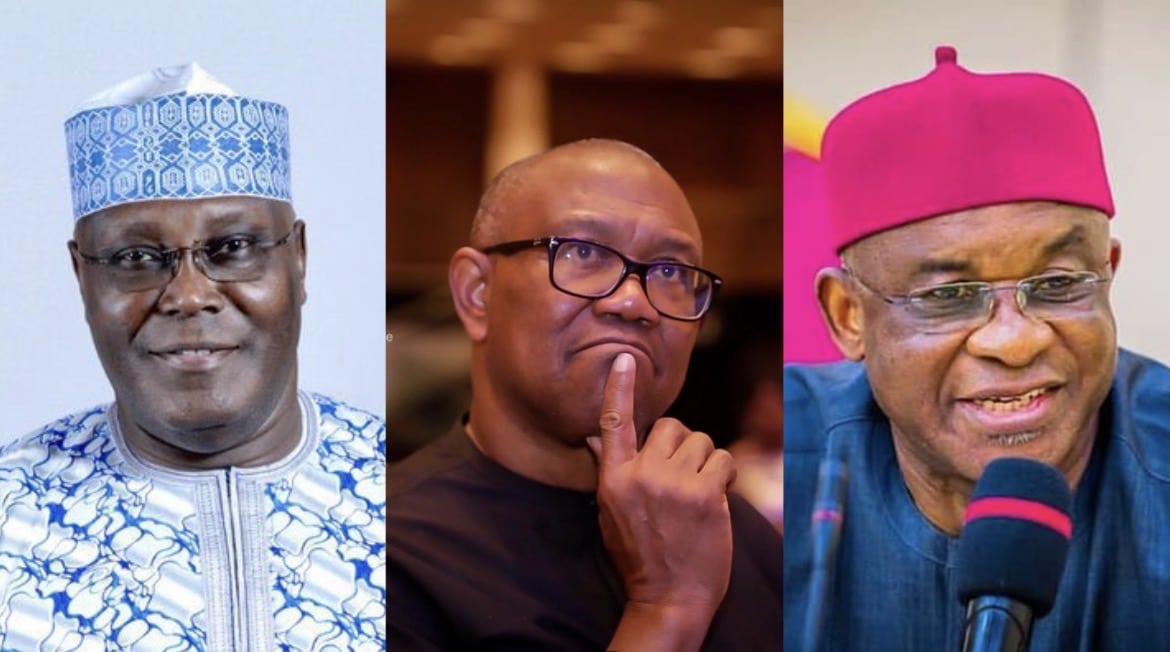
He maintained that he continues to hold party figures, including Senator David Mark and Atiku Abubakar, in high regard.
However, Obi alleged that the same systemic challenges that plagued his time in the Labour Party were beginning to emerge within the ADC, including “endless court cases, internal battles, suspicion, and division.”
He said such issues distract from addressing pressing national concerns and reflect a political culture driven more by control than service.
Obi also lamented what he described as a broader societal problem, where values such as humility, integrity, and compassion are often misunderstood or dismissed as weakness.
He noted that even sincere efforts to contribute to national development are sometimes met with hostility, adding that individuals who choose to step aside for peace are still subjected to criticism and attacks.
Despite his exit, Obi reiterated his commitment to Nigeria’s progress, emphasizing that his ambition is not tied to holding political office.
“I am not desperate to be President, Vice President, or Senate President,” he said, adding that his focus remains on building a country where citizens feel safe, have access to basic needs, and can live with dignity.
He concluded by expressing hope for the country’s future, insisting that Nigeria can still achieve leadership rooted in justice, compassion, and equal opportunity.