



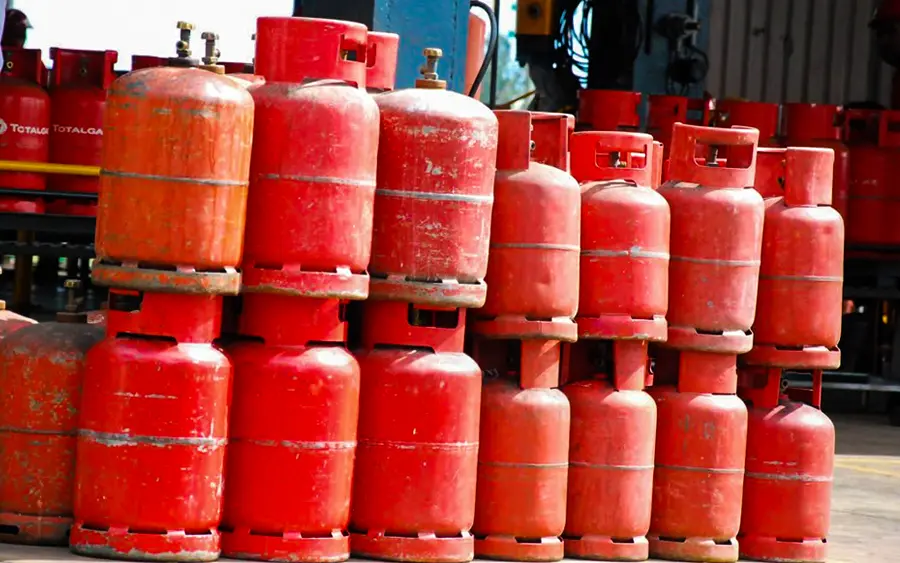
Price of cooking gas reduces
Many households across Nigeria are beginning to enjoy lower cooking gas prices following better supply of Liquefied Petroleum Gas (LPG) and a reduction in depot prices.
Findings from gas marketers showed that the cost of LPG has started falling in several major cities after weeks of high prices.


Current market prices show that cooking gas sells between ₦1,100 and ₦1,350 per kilogramme in Lagos, Ibadan and Abeokuta. In Benin City, Port Harcourt and Warri, consumers are paying between ₦1,150 and ₦1,400 per kilogramme.
Residents of Onitsha and Enugu currently buy cooking gas for between ₦1,200 and ₦1,450 per kilogramme, while prices in Abuja range from ₦1,250 to ₦1,500 per kilogramme.
Based on the current market rates, refilling a 5kg cylinder now costs between ₦5,500 and ₦8,250, while a 6kg cylinder costs between ₦6,600 and ₦9,900.
Consumers refilling a standard 12.5kg cylinder are expected to pay between ₦13,750 and ₦20,625, depending on where they live and the retailer they patronise.
According to the President of the Nigerian Association of Liquefied Petroleum Gas Marketers, Edu Inyang, prices remain higher in northern states because of transportation costs.
He said consumers in Kano and Kaduna pay between ₦1,300 and ₦1,550 per kilogramme, while those in Maiduguri and other parts of the North-East spend between ₦1,350 and ₦1,650 per kilogramme, making the region the most expensive for cooking gas.
He explained that the national average now falls within ₦1,100 and ₦1,650 per kilogramme, although some retailers still charge more because of higher logistics and distribution costs.
The latest price movement marks a change from the sharp increase recorded from May, when limited supply and rising depot prices pushed cooking gas costs upward across many parts of the country.
Inyang attributed the recent drop to improved product availability from local producers and imported supplies. He also said lower depot prices, stronger competition among marketers and the end of panic buying have helped ease prices in many markets.
He noted that although supply has improved, differences in transport costs, retailer pricing and the distance from depots continue to affect what consumers pay in different locations.













It was not like that in our side at idiroko border