


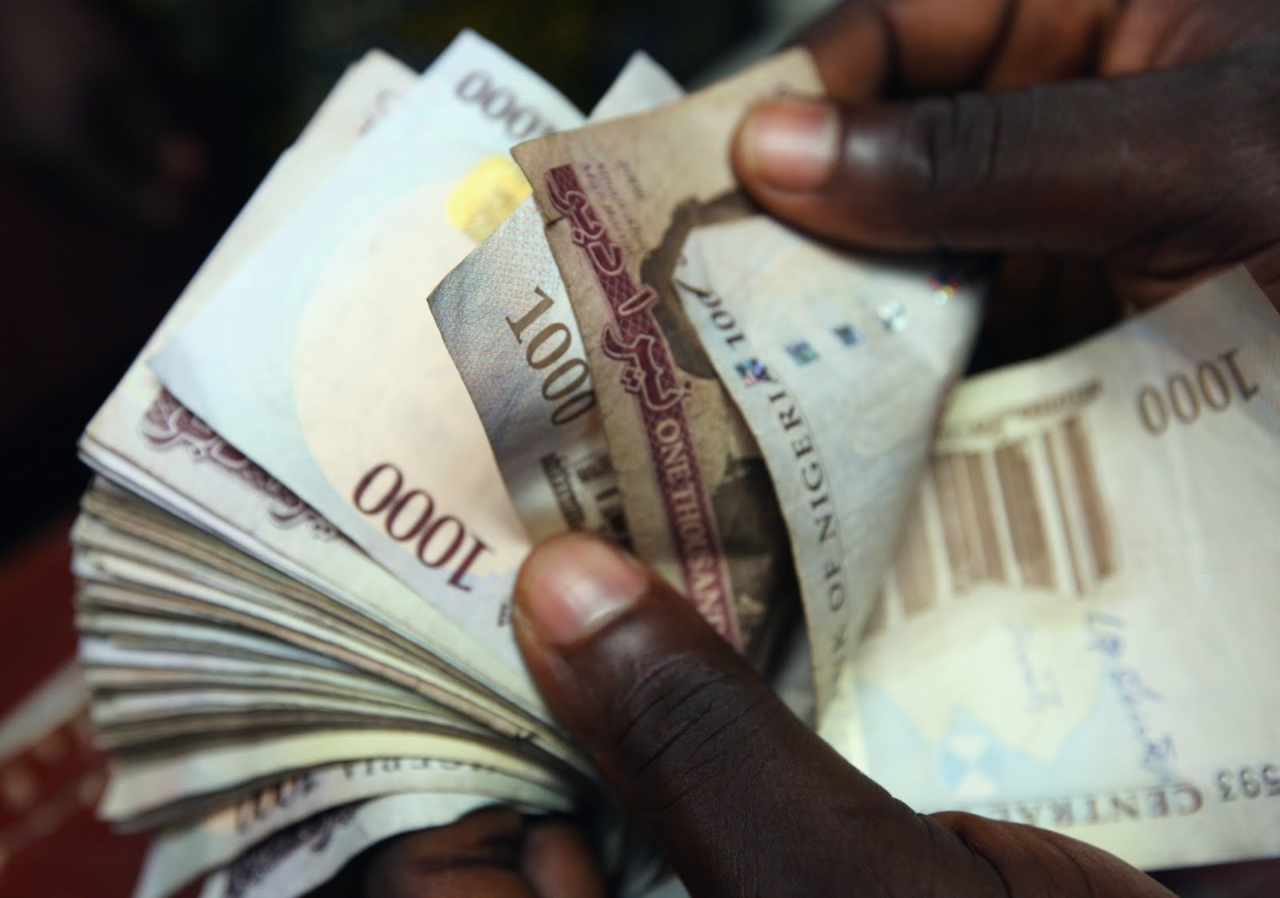
Some workers may not benefit from the Federal Government’s newly approved N70,000 monthly transport allowance for public servants.
The allowance is expected to commence in November 2026 and will run for six months as part of efforts to ease the financial pressure on workers amid rising transportation costs and the increasing cost of living.
The approval followed discussions between the Federal Government and the Nigeria Labour Congress (NLC) over workers’ welfare and outstanding labour demands.


Both parties reached an agreement during a conciliation meeting in Abuja on October 27, 2026, where the monthly transport support was approved to provide relief for affected workers.
Although the agreement does not specify an age limit or minimum years of service for beneficiaries, some categories of workers may not automatically qualify for the payment.
State government workers are among those whose eligibility remains uncertain. The agreement between the Federal Government and the NLC does not clearly explain how the allowance will be extended to employees working under state administrations.
Local government employees are also among those awaiting clarification. While the agreement encourages local government authorities to participate, it does not provide a detailed plan explaining how the payment will be implemented for their workers.
Consequently, local government employees may need to wait for official directives from their respective authorities to establish whether they will benefit from the six-month arrangement.
Private sector workers may also be excluded from the payment. Employees of private companies are not listed as direct beneficiaries in the agreement reached between the Federal Government and the NLC.
The resolution came from negotiations concerning public service workers’ welfare and does not place an obligation on private employers to pay their staff the N70,000 monthly transport allowance. Individual companies may, however, decide to introduce similar support for their employees.
Also, traders, artisans, small business owners and other self-employed Nigerians are not expressly included in the list of beneficiaries.
The intervention is primarily a public service welfare measure and is not designed as a general cash payment for every Nigerian experiencing the effects of rising transportation costs.




Thanks